- “The War Isn’t Over, But the Pain Has Begun — People Pay the Price of Failed Diplomacy”
국제 정세가 다시 흔들리고 있다. 미국과 이란의 협상이 끝내 합의에 이르지 못하면서, 전쟁의 그림자는 걷히지 않았고 오히려 더 짙어지고 있다. 문제는 그 여파가 외교 무대에만 머물지 않는다는 데 있다. 이미 우리 국민의 삶 한복판으로 파고들고 있다.
Global tensions are rising again. As the United States and Iran failed to reach an agreement, the shadow of war has not receded—it has deepened. The problem is that its impact is no longer confined to diplomatic arenas; it is now penetrating the everyday lives of ordinary people.
국제유가는 다시 들썩이고 있다. 중동 리스크가 확대되자 시장은 즉각 반응했고, 원·달러 환율은 고공행진을 이어가고 있다. 에너지 수입 의존도가 높은 대한민국 경제 구조에서 이는 곧바로 물가 상승으로 이어진다. 기름값이 오르면 물류비가 오르고, 물류비가 오르면 식탁 물가가 오른다. 장바구니는 가벼워지고, 국민의 한숨은 깊어진다.
Global oil prices are surging once again. As Middle East risks escalate, markets have reacted swiftly, pushing the Korean won–US dollar exchange rate higher. In an economy heavily dependent on energy imports like South Korea, this directly translates into inflation. When fuel prices rise, logistics costs increase, and ultimately food prices climb. Shopping baskets grow lighter, and public anxiety deepens.
지금 우리는 ‘경제 위기’라는 단어가 더 이상 과장이 아닌 현실이 되는 순간을 지나고 있다. 금리 부담, 생활비 압박, 자영업자의 매출 감소까지 겹치며 서민 경제는 이미 한계선에 다다르고 있다. 여기에 전쟁 리스크까지 더해지면, 그 충격은 단순한 경기 둔화를 넘어 삶의 기반 자체를 흔들 수 있다.
We are now at a point where the term “economic crisis” is no longer an exaggeration but a reality. Rising interest rates, mounting living costs, and declining revenues for small businesses have pushed the livelihoods of ordinary people to the brink. Adding war risks to this fragile situation could shake not just economic growth but the very foundation of daily life.
그럼에도 국제 정치의 언어는 여전히 냉정하다. 협상은 전략이고, 갈등은 계산이며, 전쟁은 선택의 문제로 다뤄진다. 그러나 그 선택의 결과는 언제나 국민의 몫이다. 정치와 외교가 실패할 때, 가장 먼저 그리고 가장 크게 무너지는 것은 평범한 시민의 일상이다.
Yet the language of international politics remains cold. Negotiations are treated as strategy, conflicts as calculations, and war as a matter of choice. But the consequences of those choices always fall on the people. When politics and diplomacy fail, it is the everyday lives of ordinary citizens that collapse first—and the hardest.
이번 미국·이란 협상 결렬은 단순한 외교 이벤트가 아니다. 그것은 ‘평화가 경제’라는 사실을 다시 한번 증명하는 사건이다. 전쟁의 가능성이 높아질수록 시장은 불안해지고, 투자와 소비는 얼어붙으며, 결국 그 부담은 국민이 떠안는다. 전쟁은 총과 미사일로만 치러지는 것이 아니라, 기름값과 환율, 물가를 통해 우리의 삶을 조용히 파괴한다.
The collapse of US-Iran talks is not just a diplomatic event. It is a stark reminder that “peace is the foundation of the economy.” As the risk of war rises, markets become unstable, investment and consumption freeze, and ultimately the burden falls on the people. War is not fought only with guns and missiles—it silently destroys lives through fuel prices, exchange rates, and inflation.
지금 필요한 것은 분명하다. 강대국의 힘겨루기가 아니라, 책임 있는 외교와 실질적인 긴장 완화다. 군사적 긴장과 경제적 불안은 결코 분리될 수 없다. 총성이 멈춰야 시장이 안정되고, 시장이 안정돼야 국민의 삶이 회복된다.
What is needed now is clear: not a power struggle among great nations, but responsible diplomacy and real de-escalation. Military tension and economic instability cannot be separated. Only when the guns fall silent can markets stabilize, and only then can people’s lives recover.
국민은 더 이상 거창한 명분을 원하지 않는다. “누가 이겼는가”가 아니라 “언제 끝나는가”를 묻고 있다. 전쟁의 명분이 아무리 그럴듯해도, 그 끝에 남는 것이 국민의 고통이라면 그것은 실패한 정치다.
People no longer seek grand justifications. They are not asking “who wins,” but “when will it end.” No matter how convincing the cause of war may sound, if it leaves behind only suffering for the people, it is a failure of politics.
지금 이 순간에도 국민은 묻고 있다. 왜 우리의 삶이 국제 분쟁의 비용을 대신 치러야 하는가. 그리고 언제쯤 우리는 전쟁이 아닌 평화 속에서 경제를 이야기할 수 있는가.
Even now, people are asking: Why must our lives bear the cost of international conflicts? And when will we be able to speak of the economy in the context of peace, not war?
답은 명확하다. 전쟁이 끝나야 경제가 산다. 그리고 그 책임은 결국 정치와 외교에 있다.
The answer is clear: only when war ends can the economy survive. And that responsibility ultimately lies with politics and diplomacy.
BEST 뉴스
-

[지형덕칼럼] 동해 AI데이터센터, 규모보다 수요와 효율을 증명해야 한다
AI 연산 효율을 높이는 기술 등장…동해시와 GS는 단계별 수요·전력 사용·지역 혜택을 함께 설명해야 한다 Emerging technologies aim to improve AI computing efficiency. Donghae and GS should explain phased demand, power requirements and tangible local benefits. AI데이터센터의 경쟁력을 설명할 때... -

[지형덕칼럼] 동해시장, AI데이터센터의 ‘규모’보다 ‘실익’을 증명하라
GS의 냉각기술 개발과 도의회의 상생 요구가 던지는 질문…전력·물·고용·지역기업 참여를 검증 가능한 계획으로 제시해야 한다 GS’s cooling technology initiative and provincial calls for community benefits demand verifiable plans for power, water, employment and local business participation. 동... -

동해 AI데이터센터, 전기는 어디서 오나…화력발전 연계 계획 설명 필요
동해 AI데이터센터 캠퍼스의 전력공급과 관련해 화력발전소 연계 계획의 구체적인 내용과 지역 환경에 미칠 영향을 설명할 필요가 제기된다. 대규모 전력 확보 여부와 함께 어떤 발전원에서 전기를 조달하고, 기존 발전소 운영에 어떤 변화가 생기는지 시민이 확인할 수 있어야 한다는 취... -

[기자의눈]동해 AI데이터센터, 시민의 알권리에서 상생을 시작하자
전력·물·생활환경과 지역 일자리에 대한 충분한 설명이 신뢰의 출발점…동해시와 GS가 사업 초기부터 공개하고 소통하는 체계를 마련해야 Clear information on power, water, living conditions and local jobs is essential to trust. Donghae and GS should establish transparent communication from the outs... -

동해 AI데이터센터, 주민의 ‘열섬·농작물 피해’ 우려에 자료로 답해야
시사K뉴스|지형덕 기자 동해 AI데이터센터 주변 주민들이 걱정하는 문제 가운데 하나는 열이다. 기존 산업시설이 들어선 지역에 대규모 데이터센터까지 가동되면 여름철 생활환경과 인근 농작물에 부담이 더해지는 것 아니냐는 우려다. 주민설명회에서는 인근 포도농원의 피해를 호소하며 데이터센터 조성 이후 ... -

[지형덕칼럼] 강릉 AIDC 논란의 교훈…동해시장, 상생에도 ‘패스트트랙’을 적용하라
지형덕|시사K뉴스 강릉 AI데이터센터 유치를 둘러싼 정치 공방이 거세지고 있다. 그러나 시민이 확인해야 할 핵심은 정당 간 비난의 강도보다 사업의 실제 준비 수준이다. 무엇이 확정됐고 무엇이 협의 중인지, 전력과 부지 등 필수 조건은 어느 단계까지 확보됐는지부터 분명히 해야 한다. 국민의힘 강원지역 국...
전체댓글 0
실시간뉴스
추천뉴스

포토뉴스
more +-
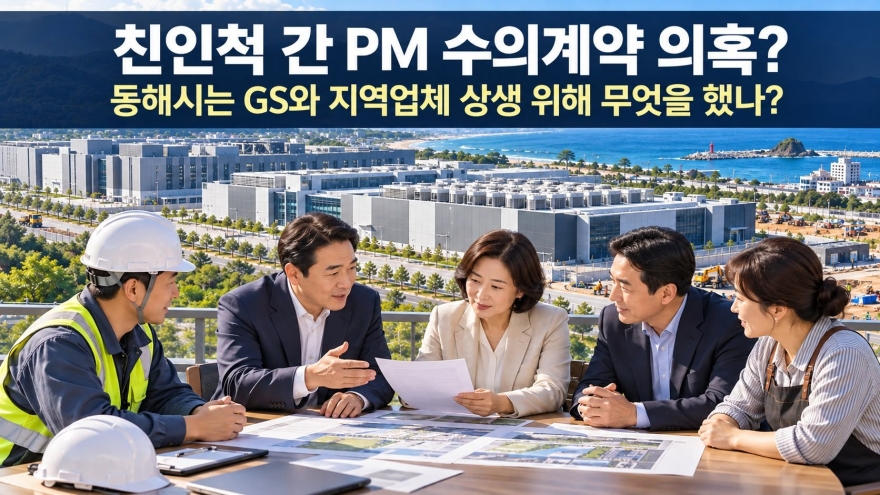
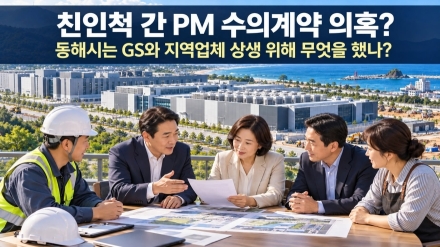
동해 AIDC 지역상생, 특정 업체 추천보다 ‘만남의 장’이 먼저다
요약 | 동해 AI 데이터센터 사업과 관련해 지역업체들이 원하는 것은 특정 업체의 수주 보장이 아니다. 시장이 GS와 지역의 자격 있는 업체 사이에 만남과 정보 공유의 기회를 마련해, 공정한 참여 가능성을 찾도록 돕는 일이다. 관련 계약이 이미 마무리됐다는 제보가 나온 가운데, 착공을 앞두고 동해시는 법정 제... -
동해시 묵호동·시흥시 배곧1동, 주민자치 교류 ‘맞손’
동해시 묵호동이 시흥시 배곧1동 주민자치회와 주민자치 교류 활성화를 위한 자매결연 협약을 체결했다. 사진/묵호동제공 최근 묵호동 행정복지센터에서 열린 협약식에는 양 지역 주민자치 조직과 동장 등 관계자 30여 명이 참석해 뜻깊은 자리를 가졌다. 이번 협약을 통해 양 단체는 ▲지역 대표 축... -
동해시, 2027년 제21기 청소년참여위원회 신규 위원 모집
동해시는 오는 11월 4일부터 20일까지 ‘2027년 제21기 동해시청소년참여위원회’에서 활동할 신규 위원을 모집한다. 「청소년 기본법」에 근거해 운영되는 청소년참여위원회는 청소년들이 지역 정책 수립과 의사결정 과정에 주도적으로 참여해 다양한 의견을 제안하고 자문하는 청소년 참여기구다. 특히 2027년에는 ... -
동해시, 고병원성 AI 등 가축전염병 차단 ‘생석회’ 지원 11월 10일까지 신청 접수
동해시가 겨울철 고병원성 조류인플루엔자(AI) 등 가축전염병 유입을 선제적으로 차단하기 위해 ‘방역용 생석회 지원 사업’을 추진하고, 오는 11월 10일까지 신청을 받는다. 최근 주변국에서 고병원성 AI 항원이 검출되고 겨울철새가 도래함에 따라 국내 발생 위험이 커짐에 따라, 시는 축산농가의 철저한 차단 방역을...