- 2021년 1월 20일, 도널드 트럼프 대통령은 워싱턴 D.C. 연방 의사당에서 취임 연설을 통해 자신의 국정 기조를 명확히 하며 ‘미국을 다시 위대하게(Make America Great Again, MAGA)’라는 구호를 재확인했습니다.
Trump's Second Term: Future Outlook and Considerations
January 21, 2025
Contributor: Jee, Hyung-duk

On January 20, 2021, President Donald Trump delivered his inaugural address at the U.S. Capitol in Washington, D.C., reaffirming the slogan "Make America Great Again"(MAGA) and outlining his policy vision.
The address, lasting about 30 minutes, focused on a future centered around the United States and its people. This article analyzes the key messages from President Trump's speech, discusses future prospects based on his address, and highlights points of concern.
1. Analysis of Key Messages
The most prominent word in President Trump’s inaugural address was "America," mentioned 41 times. This strongly underscores his policy direction being firmly centered on the United States.
Other notable words included "great," appearing 17 times, and "strong," mentioned four times, emphasizing the goal of revitalizing and strengthening the nation.
The phrase "America First" clearly signals an intention to prioritize American interests in international matters. This suggests a likely increase in nationalistic policies across economic, diplomatic, and military fields.
2. Future Prospects
(1) Economic Policy
President Trump has consistently emphasized revitalizing American manufacturing and job creation. His inaugural address reaffirmed these priorities, signaling potential moves toward protectionist policies and tax cuts.
These measures are expected to accelerate the restructuring of global supply chains and increase domestic production activities in the U.S. While this may stimulate the American economy in the short term, it risks causing conflicts with the global economy.
South Korea, in particular, could be significantly affected by protectionist measures like tariffs and should prepare various scenarios to address such challenges.
(2) Foreign Policy
"America First" highlights a clear focus on prioritizing U.S. interests in alliances and international relations.
This could lead to a reduced U.S. role in multilateral organizations like NATO, a reevaluation of free trade agreements (FTAs), and stricter sanctions on certain nations.
Notably, President Trump has shown a tendency to tacitly accept North Korea's nuclear status, which poses a significant challenge for South Korea in its pursuit of denuclearization and peace on the Korean Peninsula. South Korea must seek diverse approaches to address this issue in cooperation with the U.S.
(3) Executive Orders and International Impact
Immediately after taking office, President Trump issued executive orders targeting illegal immigration, withdrawing from the Paris Climate Agreement, and exiting the World Health Organization (WHO), signaling a hardline approach.
These actions could weaken international cooperation and risk isolating the United States. For instance, withdrawing from the Paris Climate Agreement and WHO could have far-reaching implications for addressing global environmental and health challenges.
Pope Francis’s expressed concerns on these matters reflect the gravity of these shifts from an international perspective. These changes may challenge multilateralism, prompting other nations to reorganize their cooperation frameworks in America’s absence.
(4) Social Integration
President Trump highlighted "American" identity, praising the diversity and pioneering spirit of the American people. However, if his policies disproportionately favor specific groups or regions, they could exacerbate social divisions. Inclusive policies are essential to ensuring social cohesion in the U.S.
(5) South Korea’s Response
South Korea must develop clear strategies to address President Trump's protectionist policies and approaches toward North Korea.
It is encouraging that there were no direct mentions of tariffs in the inaugural address. However, unforeseen changes in economic and security matters may arise, necessitating readiness for such developments.
Particularly regarding North Korea’s nuclear issue, South Korea should closely analyze U.S. negotiation strategies to strengthen the U.S.-South Korea alliance while protecting its own security and economic interests.
3. Points to Consider
(1) Limits of Protectionism
Protectionist policies stemming from "America First" could significantly impact the global economy. Export-dependent nations should craft strategic responses to minimize potential economic shocks.
(2) International Cooperation
President Trump’s policies may lead to U.S. isolation on the global stage. Other nations should focus on strengthening multilateral cooperation and adapting flexibly to America’s changing diplomatic stance.
(3) Mitigating Internal Conflicts
If President Trump’s policies fail to address the needs of all regions and demographics, social conflicts may deepen. This could affect U.S. political and social stability, with ripple effects globally.
Conclusion
President Donald Trump’s inaugural address made it clear that his administration’s focus would be firmly centered on U.S. interests.
While this approach may strengthen his domestic support base, it poses new challenges for international relations. His executive orders, reflecting a hardline stance, may hinder global efforts to address pressing issues such as climate change and public health, weakening international collaboration.
It is crucial for the international community and individual nations to closely monitor these developments and prepare strategies to adapt.
For South Korea, this is a critical moment to prepare for challenges in areas such as North Korea’s nuclear issue, protectionist policies, and the gaps in global cooperation on environmental and health matters.

트럼프2기 , 향후 전망과 유의점
기고자:지형덕
2021년 1월 20일, 도널드 트럼프 대통령은 워싱턴 D.C. 연방 의사당에서 취임 연설을 통해 자신의 국정 기조를 명확히 하며 ‘미국을 다시 위대하게(Make America Great Again, MAGA)’라는 구호를 재확인했습니다.
이 취임사는 약 30분 동안 진행되었으며, 미국과 미국인을 중심으로 한 미래 비전을 제시했습니다.
이 글에서는 트럼프 대통령의 취임사의 주요 메시지와 이를 기반으로 한 향후 전망, 그리고 우리가 유의해야 할 점들을 논의하고자 합니다.
1. 주요 메시지 분석
트럼프 대통령의 취임사에서 가장 두드러진 단어는 ‘아메리카(America)’로, 무려 41차례 언급되었습니다.
이는 그의 정책이 철저히 미국 중심으로 전개될 것임을 상징적으로 보여줍니다.
이 외에도 ‘위대한(great)’이라는 단어가 17회, ‘강한(strong)’이 4회 등장하여 미국의 재도약과 강화를 핵심 목표로 삼고 있음을 강조했습니다.
특히, ‘아메리칸 퍼스트(America First)’라는 표현은 국제 문제에서도 미국의 이익을 최우선으로 고려하겠다는 의지를 나타냅니다.
이는 경제, 외교, 군사 등 모든 분야에서 자국 중심주의가 강화될 가능성을 시사합니다.
2. 향후 전망
(1) 경제 정책
트럼프 대통령은 미국 제조업 부흥과 일자리 창출을 강조해 왔습니다. 그의 취임사는 이러한 기조를 재확인하며 보호무역주의와 감세 정책이 적극 추진될 가능성을 높였습니다.
이는 글로벌 공급망 재편을 가속화하고, 미국 내 생산활동을 늘리는 방향으로 나아갈 것으로 보입니다.
그러나 이러한 정책이 단기적으로는 미국 경제를 활성화할 수 있지만, 글로벌 경제와의 갈등을 초래할 위험도 존재합니다.
특히 한국은 관세 부과와 같은 보호무역 조치의 영향을 크게 받을 수 있는 만큼, 이에 대비한 다양한 시나리오를 검토해야 할 것입니다.
(2) 외교 정책
‘아메리칸 퍼스트’는 국제 동맹 관계에서 미국의 이익이 최우선이라는 점을 분명히 합니다.
이는 나토(NATO)와 같은 다자간 협의체에서의 미국 기여 축소, 자유무역협정(FTA) 재검토, 그리고 특정 국가에 대한 제재 강화로 이어질 가능성이 있습니다.
특히, 트럼프 대통령은 북한 김정일 정권의 핵 보유를 기정사실화하는 태도를 보여주었는데, 이는 한반도 비핵화와 평화체제를 추구하는 한국의 입장에서 중대한 고민을 안길 수 있습니다.
한국 정부는 미국과의 협력을 통해 이 문제를 다각도로 해결할 수 있는 방안을 모색해야 합니다.
(3) 행정명령과 국제적 영향
트럼프 대통령은 취임 직후 행정명령을 통해 불법 이민자 추방, 파리기후협약 탈퇴, 세계보건기구(WHO) 탈퇴를 선언하며 강경한 정책 노선을 명확히 했습니다.
이는 국제사회와의 협력을 약화시키고 미국의 고립을 초래할 가능성을 내포하고 있습니다.
특히 파리기후협약과 WHO 탈퇴는 글로벌 환경 및 보건 문제 해결에 중대한 영향을 미칠 수 있습니다.
이와 관련해 프란치스코 교황이 우려를 표명한 점은 국제사회의 심각한 염려를 대변합니다.
이러한 변화는 다자주의에 대한 도전으로 이어질 수 있으며, 다른 국가들은 미국 부재 속에서 협력 체계를 재정비할 필요성이 커질 것입니다.
(4) 사회적 통합
트럼프 대통령은 ‘미국인’이라는 정체성을 강조하며, 미국인의 다양성과 개척 정신을 치켜세웠습니다. 그러나 그의 정책이 특정 계층이나 지역에 집중된다면 사회적 갈등을 심화시킬 수 있습니다. 따라서 미국 내 통합을 위한 포용적 정책이 병행되어야 할 것입니다.
(5) 한국의 대응
한국은 트럼프 대통령의 보호무역주의와 북한 관련 정책에 대한 명확한 대응 전략을 마련해야 합니다.
다행히 이번 취임사에서 관세와 관련된 직접적인 언급이 없었던 점은 긍정적이지만, 향후 경제 및 안보 이슈에서 예상치 못한 변화가 나타날 가능성에 대비해야 합니다.
특히 북핵 문제와 관련해 미국의 협상 전략에 대한 면밀한 분석이 필요하며, 이를 통해 한미 동맹을 강화하는 동시에 자국의 안보와 경제적 이익을 보호할 수 있는 방안을 강구해야 합니다.
3. 유의해야 할 점
(1) 보호무역주의의 한계
미국 우선주의에 따른 보호무역주의가 심화될 경우, 세계 경제에 파급 효과를 미칠 가능성이 큽니다.
특히 수출 의존도가 높은 국가들은 이에 따른 경제적 충격을 최소화할 수 있는 전략적 대응이 필요합니다.
(2) 국제사회와의 협력
트럼프 대통령의 정책은 국제사회에서 미국의 고립을 초래할 가능성이 있습니다. 따라서 다른 국가들은 다자간 협력체계를 강화하고, 변화하는 미국의 외교 기조에 유연하게 대응할 필요가 있습니다.
(3) 내부 갈등 완화
트럼프 대통령의 정책이 모든 계층과 지역의 요구를 충족시키지 못할 경우, 사회적 갈등이 심화될 수 있습니다. 이는 미국 정치와 사회의 안정성에 영향을 미칠 수 있으며, 전 세계에도 간접적으로 영향을 미칠 것입니다.
결론
도널드 트럼프 대통령의 취임사는 그의 국정 운영 방향이 미국 중심주의에 초점이 맞추어져 있음을 명확히 했습니다.
이는 미국 내 지지층의 결속을 강화하는 동시에, 국제사회와의 관계에 새로운 도전을 제기할 가능성을 내포하고 있습니다.
행정명령을 통해 발표된 강경한 정책들은 글로벌 환경 및 보건 문제 해결에 부정적인 영향을 미칠 가능성이 크며, 이는 국제사회의 공조를 약화시킬 수 있습니다.
이러한 변화를 예의주시하며, 국제사회와 각국은 이에 대응할 수 있는 전략을 마련해야 할 것입니다.
특히 한국은 북핵 문제와 보호무역주의, 그리고 환경 및 보건 분야의 국제적 협력 공백에 대비해 철저한 준비와 대응이 필요한 시점입니다.
#트럼프2기#대통령#취임사#MAGA#미국을다시위대하게#북한핵
#보호무역주의#환경#보건#국제적협력#대응#시사k뉴스
BEST 뉴스
-
[지형덕칼럼] 동해 AI데이터센터, 규모보다 수요와 효율을 증명해야 한다
AI 연산 효율을 높이는 기술 등장…동해시와 GS는 단계별 수요·전력 사용·지역 혜택을 함께 설명해야 한다 Emerging technologies aim to improve AI computing efficiency. Donghae and GS should explain phased demand, power requirements and tangible local benefits. AI데이터센터의 경쟁력을 설명할 때... -
[지형덕칼럼] 동해시장, AI데이터센터의 ‘규모’보다 ‘실익’을 증명하라
GS의 냉각기술 개발과 도의회의 상생 요구가 던지는 질문…전력·물·고용·지역기업 참여를 검증 가능한 계획으로 제시해야 한다 GS’s cooling technology initiative and provincial calls for community benefits demand verifiable plans for power, water, employment and local business participation. 동... -
동해 AI데이터센터, 전기는 어디서 오나…화력발전 연계 계획 설명 필요
동해 AI데이터센터 캠퍼스의 전력공급과 관련해 화력발전소 연계 계획의 구체적인 내용과 지역 환경에 미칠 영향을 설명할 필요가 제기된다. 대규모 전력 확보 여부와 함께 어떤 발전원에서 전기를 조달하고, 기존 발전소 운영에 어떤 변화가 생기는지 시민이 확인할 수 있어야 한다는 취... -
[기자의눈]동해 AI데이터센터, 시민의 알권리에서 상생을 시작하자
전력·물·생활환경과 지역 일자리에 대한 충분한 설명이 신뢰의 출발점…동해시와 GS가 사업 초기부터 공개하고 소통하는 체계를 마련해야 Clear information on power, water, living conditions and local jobs is essential to trust. Donghae and GS should establish transparent communication from the outs... -
동해 AI데이터센터, 주민의 ‘열섬·농작물 피해’ 우려에 자료로 답해야
시사K뉴스|지형덕 기자 동해 AI데이터센터 주변 주민들이 걱정하는 문제 가운데 하나는 열이다. 기존 산업시설이 들어선 지역에 대규모 데이터센터까지 가동되면 여름철 생활환경과 인근 농작물에 부담이 더해지는 것 아니냐는 우려다. 주민설명회에서는 인근 포도농원의 피해를 호소하며 데이터센터 조성 이후 ... -
[지형덕칼럼] 강릉 AIDC 논란의 교훈…동해시장, 상생에도 ‘패스트트랙’을 적용하라
지형덕|시사K뉴스 강릉 AI데이터센터 유치를 둘러싼 정치 공방이 거세지고 있다. 그러나 시민이 확인해야 할 핵심은 정당 간 비난의 강도보다 사업의 실제 준비 수준이다. 무엇이 확정됐고 무엇이 협의 중인지, 전력과 부지 등 필수 조건은 어느 단계까지 확보됐는지부터 분명히 해야 한다. 국민의힘 강원지역 국...
전체댓글 0
실시간뉴스
추천뉴스

포토뉴스
more +-
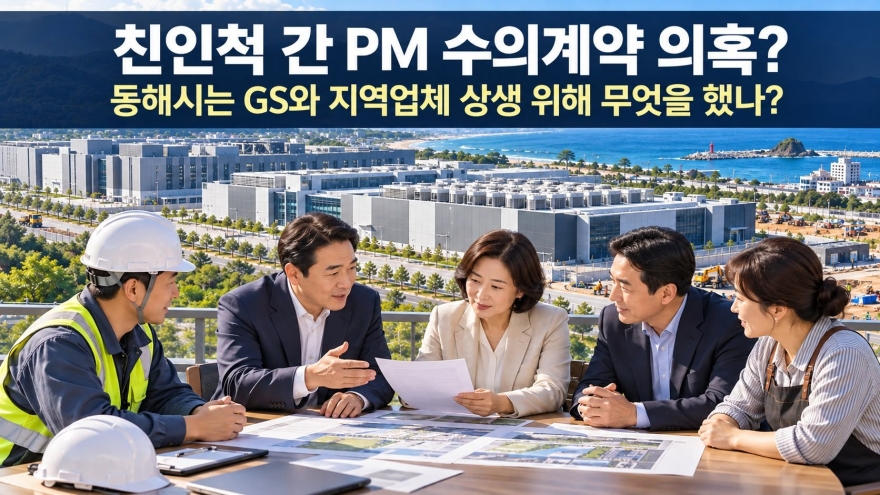
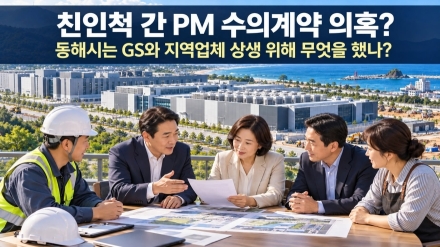
동해 AIDC 지역상생, 특정 업체 추천보다 ‘만남의 장’이 먼저다
요약 | 동해 AI 데이터센터 사업과 관련해 지역업체들이 원하는 것은 특정 업체의 수주 보장이 아니다. 시장이 GS와 지역의 자격 있는 업체 사이에 만남과 정보 공유의 기회를 마련해, 공정한 참여 가능성을 찾도록 돕는 일이다. 관련 계약이 이미 마무리됐다는 제보가 나온 가운데, 착공을 앞두고 동해시는 법정 제... -
동해시 묵호동·시흥시 배곧1동, 주민자치 교류 ‘맞손’
동해시 묵호동이 시흥시 배곧1동 주민자치회와 주민자치 교류 활성화를 위한 자매결연 협약을 체결했다. 사진/묵호동제공 최근 묵호동 행정복지센터에서 열린 협약식에는 양 지역 주민자치 조직과 동장 등 관계자 30여 명이 참석해 뜻깊은 자리를 가졌다. 이번 협약을 통해 양 단체는 ▲지역 대표 축... -
동해시, 2027년 제21기 청소년참여위원회 신규 위원 모집
동해시는 오는 11월 4일부터 20일까지 ‘2027년 제21기 동해시청소년참여위원회’에서 활동할 신규 위원을 모집한다. 「청소년 기본법」에 근거해 운영되는 청소년참여위원회는 청소년들이 지역 정책 수립과 의사결정 과정에 주도적으로 참여해 다양한 의견을 제안하고 자문하는 청소년 참여기구다. 특히 2027년에는 ... -
동해시, 고병원성 AI 등 가축전염병 차단 ‘생석회’ 지원 11월 10일까지 신청 접수
동해시가 겨울철 고병원성 조류인플루엔자(AI) 등 가축전염병 유입을 선제적으로 차단하기 위해 ‘방역용 생석회 지원 사업’을 추진하고, 오는 11월 10일까지 신청을 받는다. 최근 주변국에서 고병원성 AI 항원이 검출되고 겨울철새가 도래함에 따라 국내 발생 위험이 커짐에 따라, 시는 축산농가의 철저한 차단 방역을...