- Korean Auto Tariff Cut Delay – Speed is the Solution
Written by Jee,hyungduk / Sisaknews Reporter
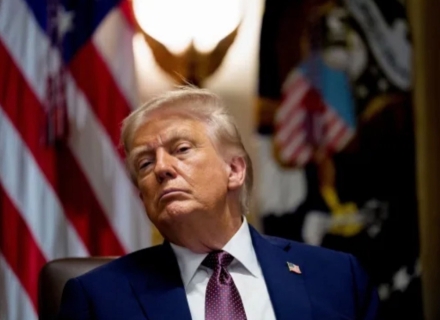
미국이 9월 4일 일본산 자동차 관세를 15%로 낮추는 행정명령에 서명했다. 반면 한국산 자동차는 여전히 25% 관세가 적용된다. 양국 모두 트럼프 대통령과 인하에 합의했지만, 일본이 먼저 서명을 받은 이유는 세 가지다.
On September 4, the United States signed an executive order lowering tariffs on Japanese automobiles to 15%. In contrast, Korean cars remain subject to a 25% tariff. Both countries reached agreements with President Trump, but Japan secured the signature first for three main reasons.
첫째, 협상 시점 차이다. 일본은 7월 22일 합의했고, 한국은 7월 30일에야 합의했다. 둘째, 패키지 딜 완결 속도다. 일본은 5,500억 달러 투자와 대규모 미국산 농산물 구매를 신속히 확정해 백악관이 즉시 홍보할 수 있는 ‘성과 패키지’를 제공했다. 한국은 3,500억 달러 투자와 1,000억 달러 에너지 구매를 제시했지만, 이를 더 큰 국익과 연계해 종합 검토하느라 속도가 늦었다. 셋째, 정치·외교적 우선순위다. 일본은 외교 성과로 부각됐지만, 한국은 안보·투자·에너지 협력과 묶여 시점이 조율되고 있다.
First, the timing of negotiations differed. Japan reached its deal on July 22, while Korea did so on July 30. Second, the speed of completing the package deal. Japan swiftly finalized a $550 billion investment and large-scale purchases of U.S. agricultural products, giving the White House a “deliverable” to announce immediately. Korea offered a $350 billion investment and $100 billion in energy purchases, but linked them to broader national interests, slowing the process. Third, political and diplomatic priorities. Japan’s deal was highlighted as a diplomatic success, while Korea’s was tied to other issues—security, investment, and energy cooperation—requiring timing adjustments.
이 지연은 한국 자동차 산업에 단기·중장기 모두 부정적이다. 단기적으로는 일본산 대비 10%p 높은 관세로 동일 차종 가격이 수백~수천 달러 비싸져 미국 시장 점유율 하락이 우려된다. 증권가에서는 하반기 영업이익이 최대 5~7% 감소할 수 있다고 본다. 중장기적으로는 미국 내 생산 확대 압박이 커져 국내 생산·고용 감소와 부품 산업 연쇄 타격이 불가피하다.
This delay has negative implications for Korea’s auto industry in both the short and long term. In the short term, tariffs 10 percentage points higher than Japan’s could make Korean models hundreds or even thousands of dollars more expensive, risking a drop in U.S. market share. Analysts project operating profits could fall by up to 5–7% in the second half of the year. In the long term, pressure to expand U.S. production will grow, inevitably reducing domestic production and employment, and triggering ripple effects across the parts industry.
해법은 명확하다. 첫째, 정상·고위급 외교 채널을 총동원해 백악관의 정치적 우선순위로 올려야 한다. 둘째, 미국 내 일자리 창출과 첨단 제조시설 투자 등 추가 인센티브를 제시해야 한다. 셋째, 미국 산업계·의회 로비를 통해 관세 인하 필요성을 확산시키고, 넷째, 언론·여론전을 활용해 관세 격차가 미국 소비자 가격 인상으로 이어진다는 점을 부각해야 한다. 마지막으로, 한·미 FTA나 WTO 규범 위반 가능성을 검토 중임을 알리는 것도 협상 압박 수단이 될 수 있다.
The solution is clear. First, mobilize top-level diplomatic channels to make this a political priority for the White House. Second, offer additional incentives such as U.S. job creation and advanced manufacturing investments. Third, lobby U.S. industry and Congress to spread awareness of the need for tariff cuts. Fourth, use media and public opinion to highlight how the tariff gap raises prices for American consumers. Finally, signaling that potential violations of the Korea–U.S. FTA or WTO rules are under review could serve as negotiation leverage.
이번 사안은 단순한 관세 문제가 아니다. 대미 수출 구조, 국내 고용, 글로벌 경쟁력까지 직결된 문제다. 일본이 보여준 ‘속도전’과 ‘성과 패키지’ 전략에서 배워야 한다. 정부와 기업이 정치·경제·여론을 아우르는 종합 전략을 구사할 때, 트럼프 대통령의 서명은 더 이상 먼 이야기가 아닐 것이다.
This is not merely a tariff issue. It directly affects Korea’s export structure to the U.S., domestic employment, and global competitiveness. Korea must learn from Japan’s “speed strategy” and “deliverable package” approach. When government and industry execute a comprehensive strategy spanning politics, economics, and public opinion, President Trump’s signature will no longer be a distant prospect.
BEST 뉴스
-

[지형덕칼럼] 동해 AI데이터센터, 규모보다 수요와 효율을 증명해야 한다
AI 연산 효율을 높이는 기술 등장…동해시와 GS는 단계별 수요·전력 사용·지역 혜택을 함께 설명해야 한다 Emerging technologies aim to improve AI computing efficiency. Donghae and GS should explain phased demand, power requirements and tangible local benefits. AI데이터센터의 경쟁력을 설명할 때... -
[지형덕칼럼] 동해시장, AI데이터센터의 ‘규모’보다 ‘실익’을 증명하라
GS의 냉각기술 개발과 도의회의 상생 요구가 던지는 질문…전력·물·고용·지역기업 참여를 검증 가능한 계획으로 제시해야 한다 GS’s cooling technology initiative and provincial calls for community benefits demand verifiable plans for power, water, employment and local business participation. 동... -
동해 AI데이터센터, 전기는 어디서 오나…화력발전 연계 계획 설명 필요
동해 AI데이터센터 캠퍼스의 전력공급과 관련해 화력발전소 연계 계획의 구체적인 내용과 지역 환경에 미칠 영향을 설명할 필요가 제기된다. 대규모 전력 확보 여부와 함께 어떤 발전원에서 전기를 조달하고, 기존 발전소 운영에 어떤 변화가 생기는지 시민이 확인할 수 있어야 한다는 취... -
[기자의눈]동해 AI데이터센터, 시민의 알권리에서 상생을 시작하자
전력·물·생활환경과 지역 일자리에 대한 충분한 설명이 신뢰의 출발점…동해시와 GS가 사업 초기부터 공개하고 소통하는 체계를 마련해야 Clear information on power, water, living conditions and local jobs is essential to trust. Donghae and GS should establish transparent communication from the outs... -
동해 AI데이터센터, 주민의 ‘열섬·농작물 피해’ 우려에 자료로 답해야
시사K뉴스|지형덕 기자 동해 AI데이터센터 주변 주민들이 걱정하는 문제 가운데 하나는 열이다. 기존 산업시설이 들어선 지역에 대규모 데이터센터까지 가동되면 여름철 생활환경과 인근 농작물에 부담이 더해지는 것 아니냐는 우려다. 주민설명회에서는 인근 포도농원의 피해를 호소하며 데이터센터 조성 이후 ... -
[지형덕칼럼] 강릉 AIDC 논란의 교훈…동해시장, 상생에도 ‘패스트트랙’을 적용하라
지형덕|시사K뉴스 강릉 AI데이터센터 유치를 둘러싼 정치 공방이 거세지고 있다. 그러나 시민이 확인해야 할 핵심은 정당 간 비난의 강도보다 사업의 실제 준비 수준이다. 무엇이 확정됐고 무엇이 협의 중인지, 전력과 부지 등 필수 조건은 어느 단계까지 확보됐는지부터 분명히 해야 한다. 국민의힘 강원지역 국...
전체댓글 0
실시간뉴스
추천뉴스

포토뉴스
more +-
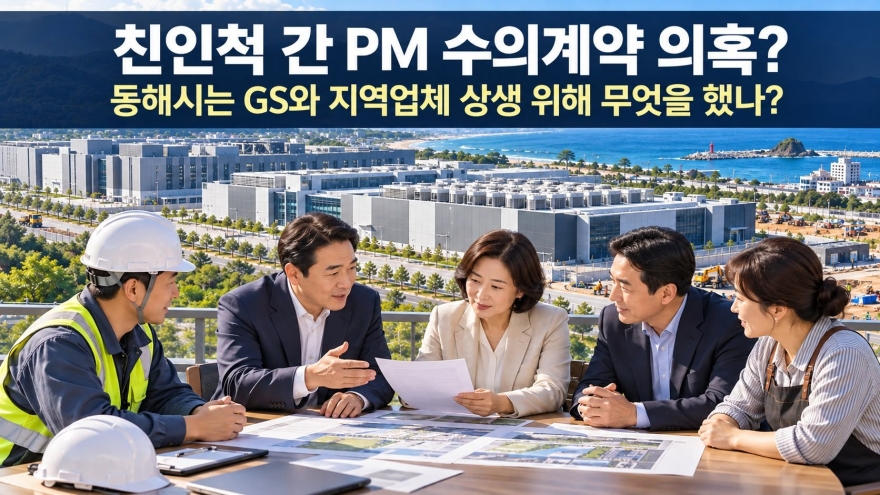
동해 AIDC 지역상생, 특정 업체 추천보다 ‘만남의 장’이 먼저다
요약 | 동해 AI 데이터센터 사업과 관련해 지역업체들이 원하는 것은 특정 업체의 수주 보장이 아니다. 시장이 GS와 지역의 자격 있는 업체 사이에 만남과 정보 공유의 기회를 마련해, 공정한 참여 가능성을 찾도록 돕는 일이다. 관련 계약이 이미 마무리됐다는 제보가 나온 가운데, 착공을 앞두고 동해시는 법정 제... -
동해시 묵호동·시흥시 배곧1동, 주민자치 교류 ‘맞손’
동해시 묵호동이 시흥시 배곧1동 주민자치회와 주민자치 교류 활성화를 위한 자매결연 협약을 체결했다. 사진/묵호동제공 최근 묵호동 행정복지센터에서 열린 협약식에는 양 지역 주민자치 조직과 동장 등 관계자 30여 명이 참석해 뜻깊은 자리를 가졌다. 이번 협약을 통해 양 단체는 ▲지역 대표 축... -
동해시, 2027년 제21기 청소년참여위원회 신규 위원 모집
동해시는 오는 11월 4일부터 20일까지 ‘2027년 제21기 동해시청소년참여위원회’에서 활동할 신규 위원을 모집한다. 「청소년 기본법」에 근거해 운영되는 청소년참여위원회는 청소년들이 지역 정책 수립과 의사결정 과정에 주도적으로 참여해 다양한 의견을 제안하고 자문하는 청소년 참여기구다. 특히 2027년에는 ... -
동해시, 고병원성 AI 등 가축전염병 차단 ‘생석회’ 지원 11월 10일까지 신청 접수
동해시가 겨울철 고병원성 조류인플루엔자(AI) 등 가축전염병 유입을 선제적으로 차단하기 위해 ‘방역용 생석회 지원 사업’을 추진하고, 오는 11월 10일까지 신청을 받는다. 최근 주변국에서 고병원성 AI 항원이 검출되고 겨울철새가 도래함에 따라 국내 발생 위험이 커짐에 따라, 시는 축산농가의 철저한 차단 방역을...