
- [Consumer Report] Lessons from the 990 KRW Salt Bread Case
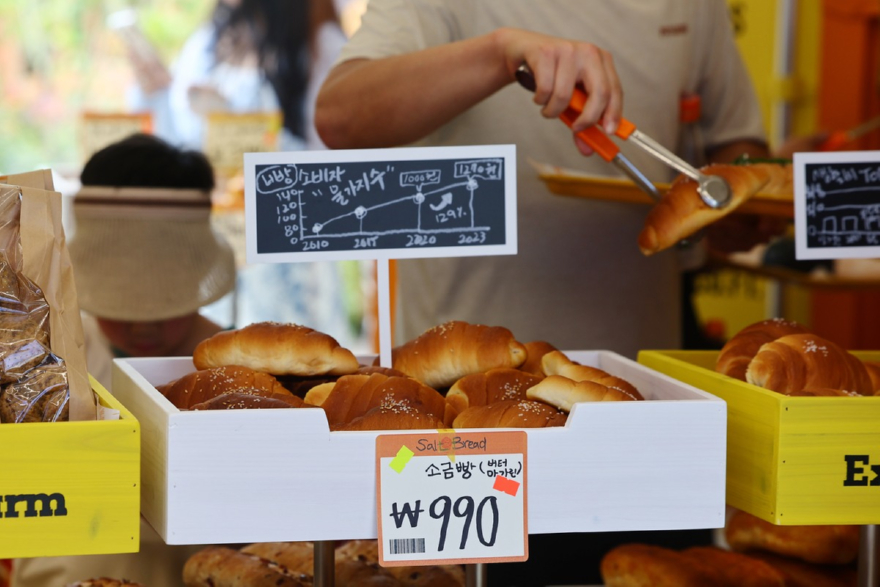
1. 가격 구조의 착시 (The Illusion of Price Structure)
팝업스토어에서의 초저가 빵은 원가 절감과 이벤트성 판매로 가능했으나, 일반 매장은 임대료·인건비·세금 등 고정비를 감당해야 합니다.
This ultra-cheap bread was possible due to cost-cutting and promotional sales, but regular shops must cover fixed costs such as rent, labor, and taxes.
2. 소비자의 즐거움 vs. 자영업자의 부담 (Consumer Joy vs. Small Business Burden)
소비자는 저렴한 가격에 환호했지만, 동네 빵집들은 “왜 우리는 이렇게 못 팔까?”라는 압박을 느꼈습니다.
Consumers cheered for the low price, but local bakeries felt pressure, wondering, “Why can’t we sell this cheap?”
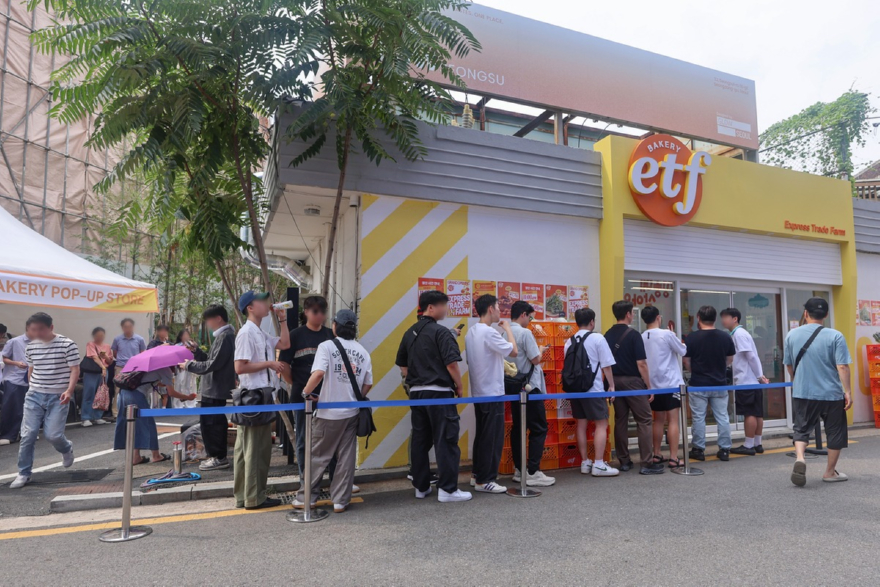
3. 메시지 전달의 맥락 (Context Matters in Messaging)
기획자는 구조적 문제를 보여주려 했으나, 결과적으로 자영업자 비하로 오해받았습니다.
The organizer aimed to highlight structural issues, but it was misinterpreted as belittling small businesses.
4. 싼 가격의 이면(The Hidden Side of Cheap Prices)
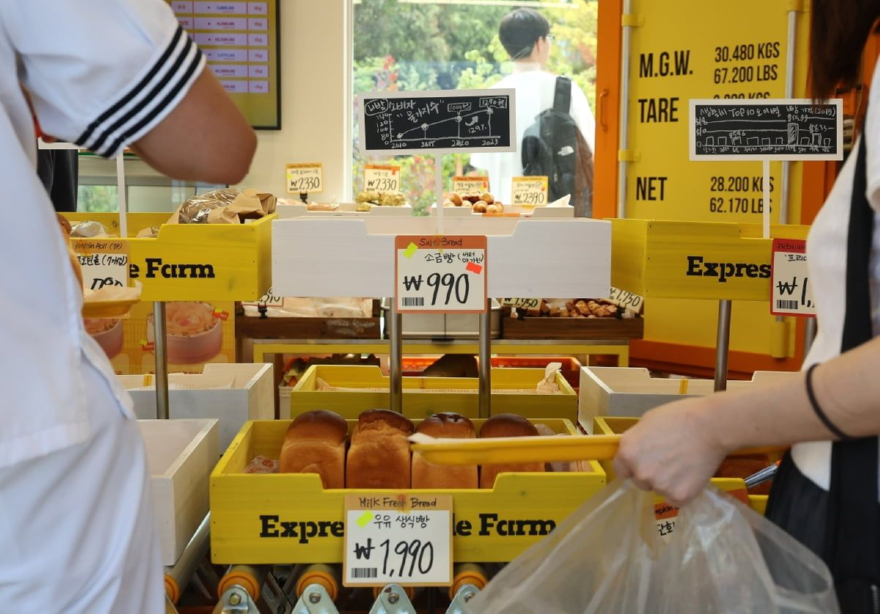
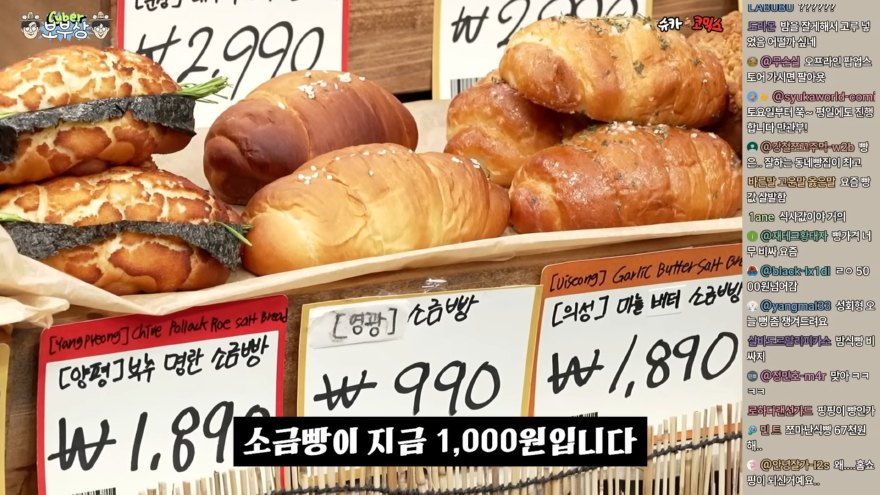
버터 대신 마가린, 대량 직송, 인건비 절감 등이 가격 인하의 배경이었습니다.
Behind the low price were factors like margarine instead of butter, bulk direct delivery, and labor cost reduction.
5. 공정 경쟁 환경의 필요성 (The Need for Fair Competition)
단기 이벤트는 소비자에겐 기쁨이지만, 장기적으로는 자영업 생태계를 위협할 수 있습니다.
While short-term events delight consumers, they can threaten the long-term survival of small businesses.
종합 결론 (Overall Conclusion)
이번 사건은 “싸게 파는 게 꼭 좋은 것만은 아니다”라는 교훈을 줍니다.
It reminds us that “selling cheap is not always good.”
가격에는 보이지 않는 구조와 비용이 숨어 있으며, 소비자·자영업자·정책 당국 모두가 이 구조를 이해해야 합니다.
Behind every price lies hidden structures and costs, and consumers, small businesses, and policymakers alike must understand this reality.
전체댓글 0
실시간뉴스
추천뉴스

포토뉴스
more +-
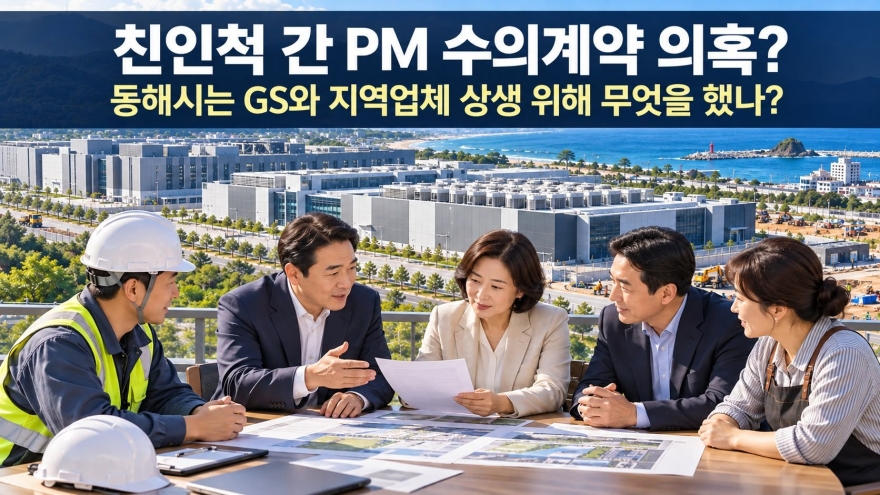
동해 AIDC 지역상생, 특정 업체 추천보다 ‘만남의 장’이 먼저다
요약 | 동해 AI 데이터센터 사업과 관련해 지역업체들이 원하는 것은 특정 업체의 수주 보장이 아니다. 시장이 GS와 지역의 자격 있는 업체 사이에 만남과 정보 공유의 기회를 마련해, 공정한 참여 가능성을 찾도록 돕는 일이다. 관련 계약이 이미 마무리됐다는 제보가 나온 가운데, 착공을 앞두고 동해시는 법정 제... -
동해시 묵호동·시흥시 배곧1동, 주민자치 교류 ‘맞손’
동해시 묵호동이 시흥시 배곧1동 주민자치회와 주민자치 교류 활성화를 위한 자매결연 협약을 체결했다. 사진/묵호동제공 최근 묵호동 행정복지센터에서 열린 협약식에는 양 지역 주민자치 조직과 동장 등 관계자 30여 명이 참석해 뜻깊은 자리를 가졌다. 이번 협약을 통해 양 단체는 ▲지역 대표 축... -
동해시, 2027년 제21기 청소년참여위원회 신규 위원 모집
동해시는 오는 11월 4일부터 20일까지 ‘2027년 제21기 동해시청소년참여위원회’에서 활동할 신규 위원을 모집한다. 「청소년 기본법」에 근거해 운영되는 청소년참여위원회는 청소년들이 지역 정책 수립과 의사결정 과정에 주도적으로 참여해 다양한 의견을 제안하고 자문하는 청소년 참여기구다. 특히 2027년에는 ... -
동해시, 고병원성 AI 등 가축전염병 차단 ‘생석회’ 지원 11월 10일까지 신청 접수
동해시가 겨울철 고병원성 조류인플루엔자(AI) 등 가축전염병 유입을 선제적으로 차단하기 위해 ‘방역용 생석회 지원 사업’을 추진하고, 오는 11월 10일까지 신청을 받는다. 최근 주변국에서 고병원성 AI 항원이 검출되고 겨울철새가 도래함에 따라 국내 발생 위험이 커짐에 따라, 시는 축산농가의 철저한 차단 방역을...